


Custom peptide library procurement brief
Prepare a neutral purchasing enquiry for identifiable sample sets, containers, records and delivery milestones.

For a plate shipment, the coordinate identifies a position. The sample ID identifies its contents. Review both against the order list when receiving a delivery.
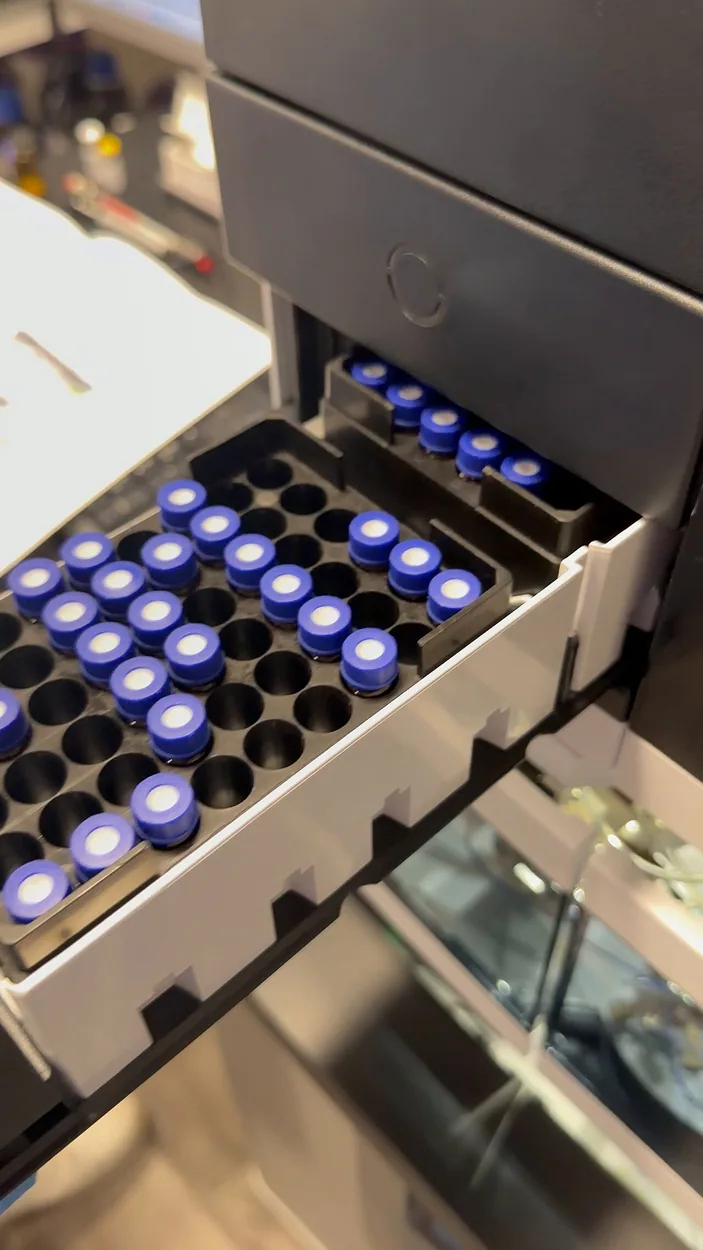
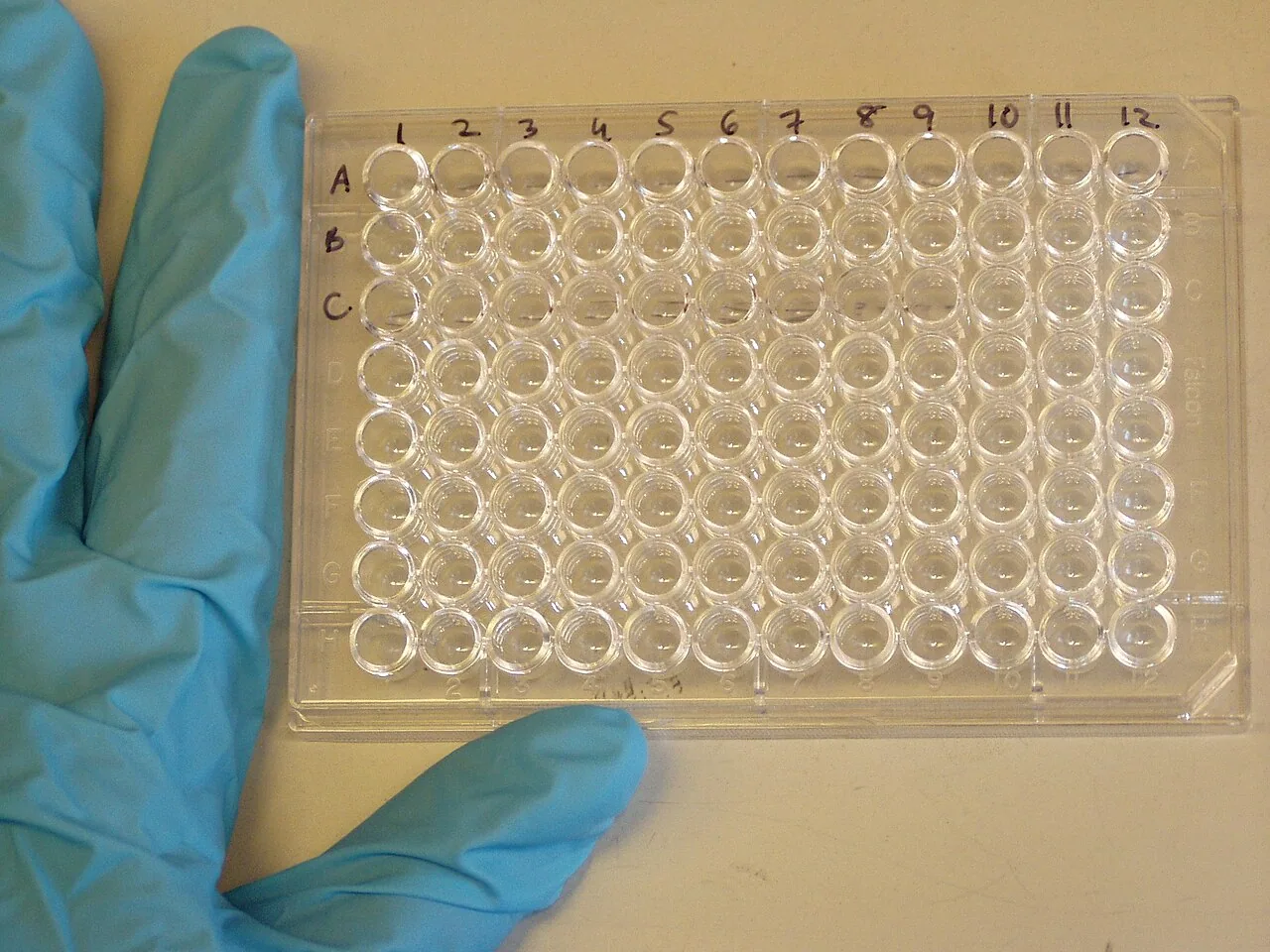
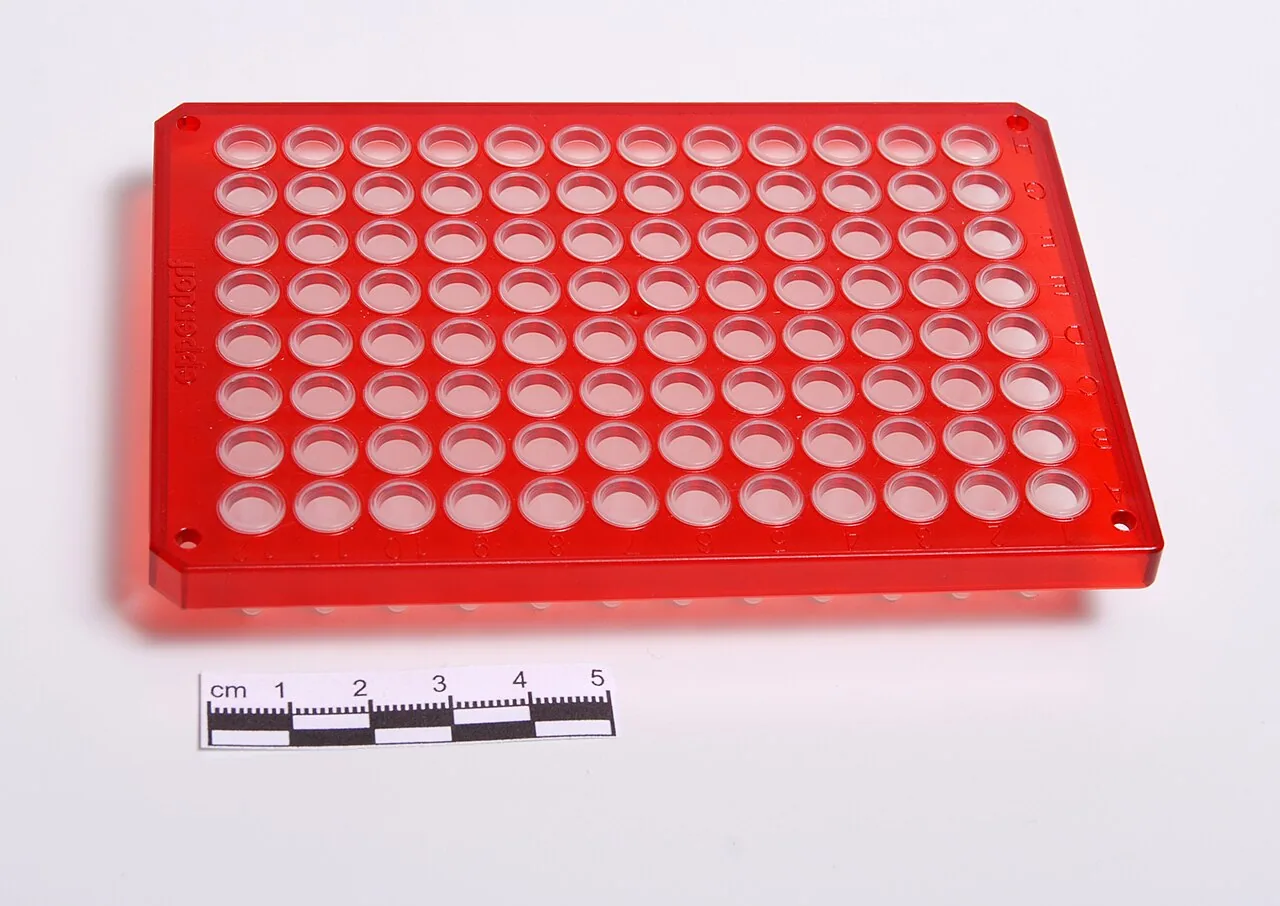
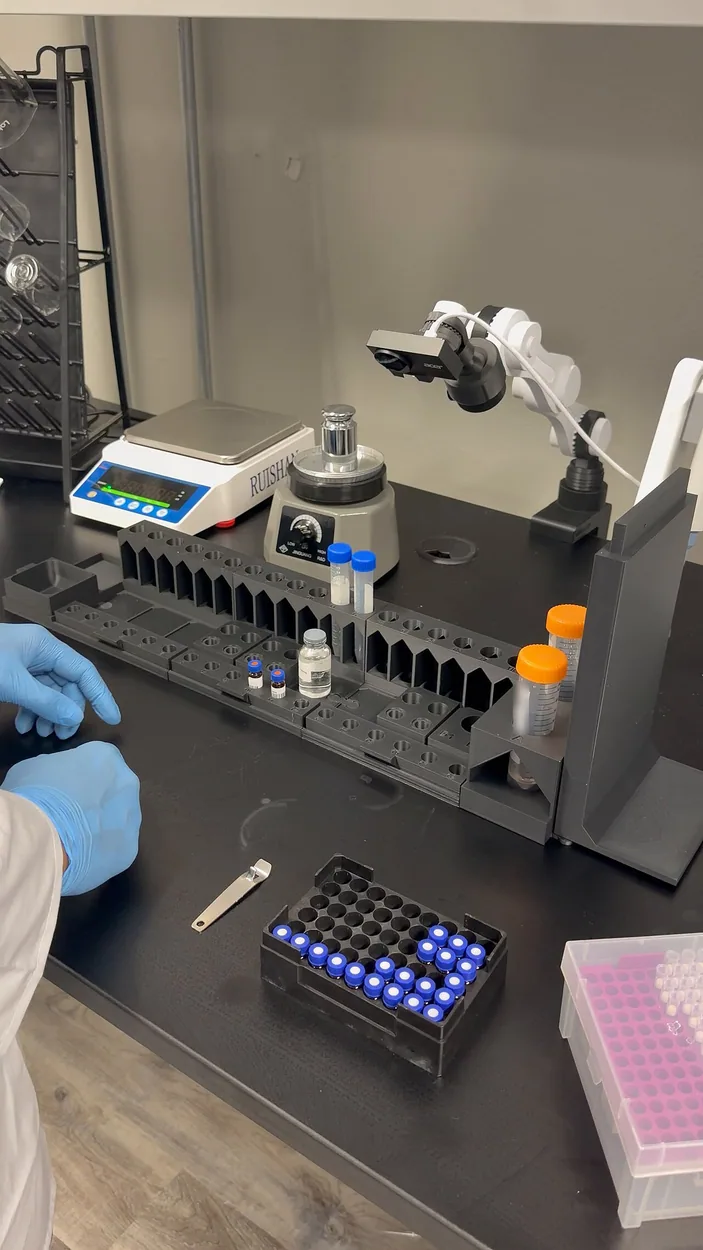
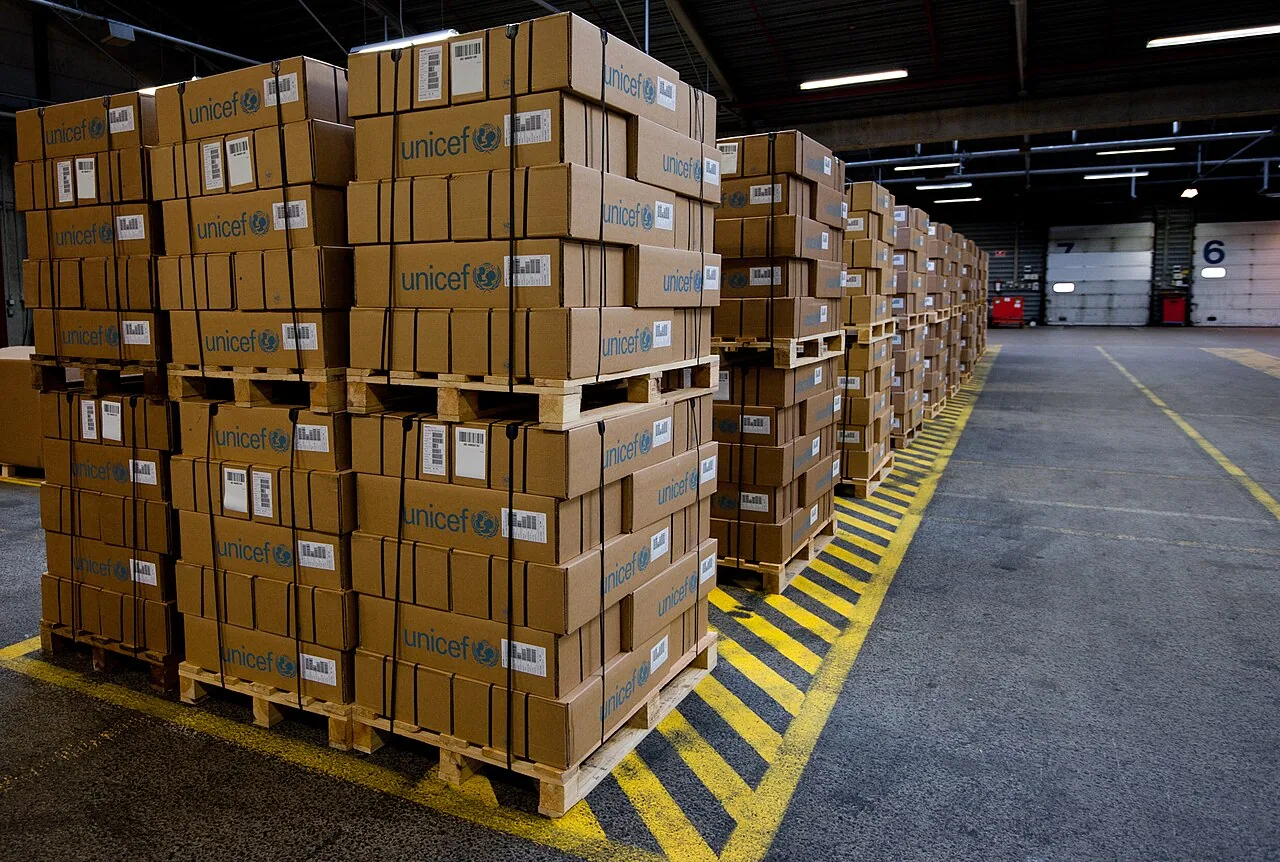
Prepare a neutral purchasing enquiry for identifiable sample sets, containers, records and delivery milestones.
Compare catalogue identifiers and buyer-defined identifiers, document revisions and reordering terms.
Prepare readable position tables with plate identity, orientation and explicit empty positions.
Choose a delivery format around receiving, labelling, location records and the handling of replacements.
Build a readable identifier convention and check how the actual receiving scanner handles a representative label.
Identify which reports are available for each item, separately supplied lot, plate or shipping unit.
Protect sample IDs and coordinates when transferring a supplier file into a spreadsheet or inventory system.
Match the physical shipment, map revision and packing list, and document any differences for supplier follow-up.
Agree shipment releases, outstanding items and revisions when an order will arrive in more than one delivery.
Prepare a repeat-order request with earlier lot links, accepted substitutions and a separate receiving record for replacement units.
Prepare an allocation schedule covering delivery locations, container identities, contacts and location-specific paperwork.
Agree who retains the final map, order files and access permissions when a supplier project closes.
No matching guides. Try a different word.