
Set the value the scanner must return
Thermo Fisher offers custom labware barcoding and labelling, with choices that make the intended reading arrangement worth agreeing. Ask the receiver for a dummy barcode value, the accepted character set and any fixed prefix or length. Specify whether the printed human-readable text must match the encoded value exactly. Keep the internal purchase order and the physical container ID in separate fields because one order can include several objects.
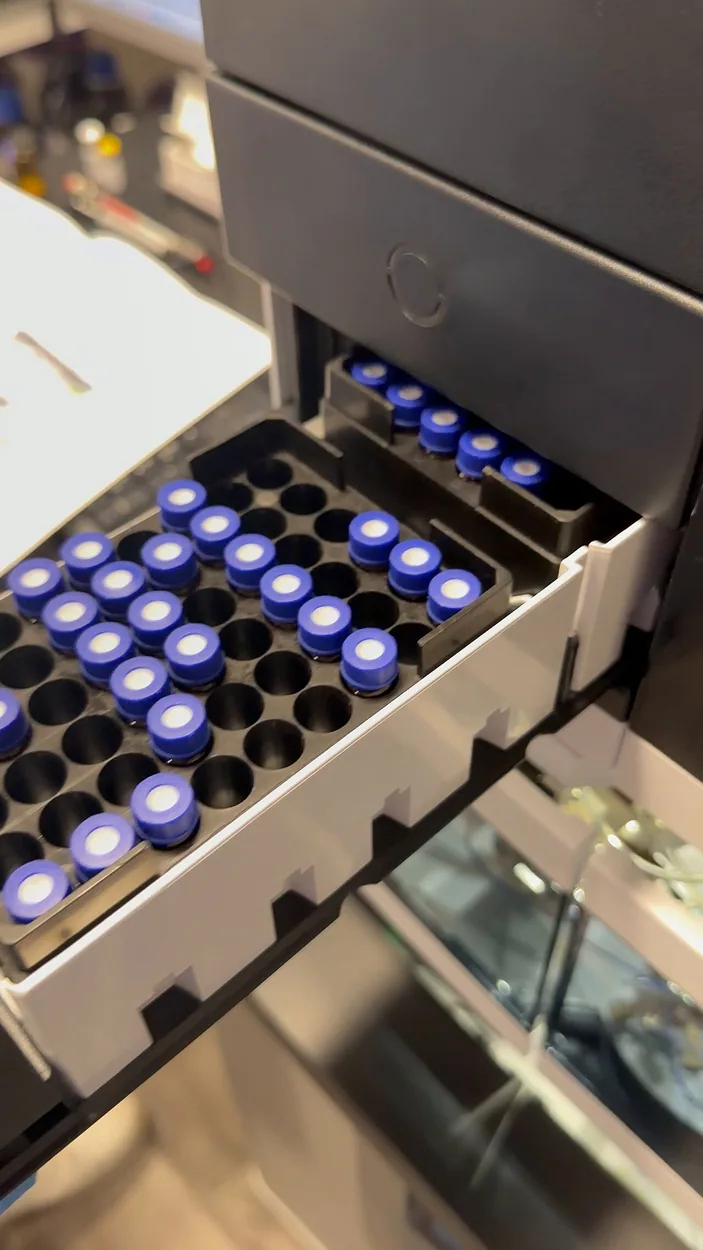

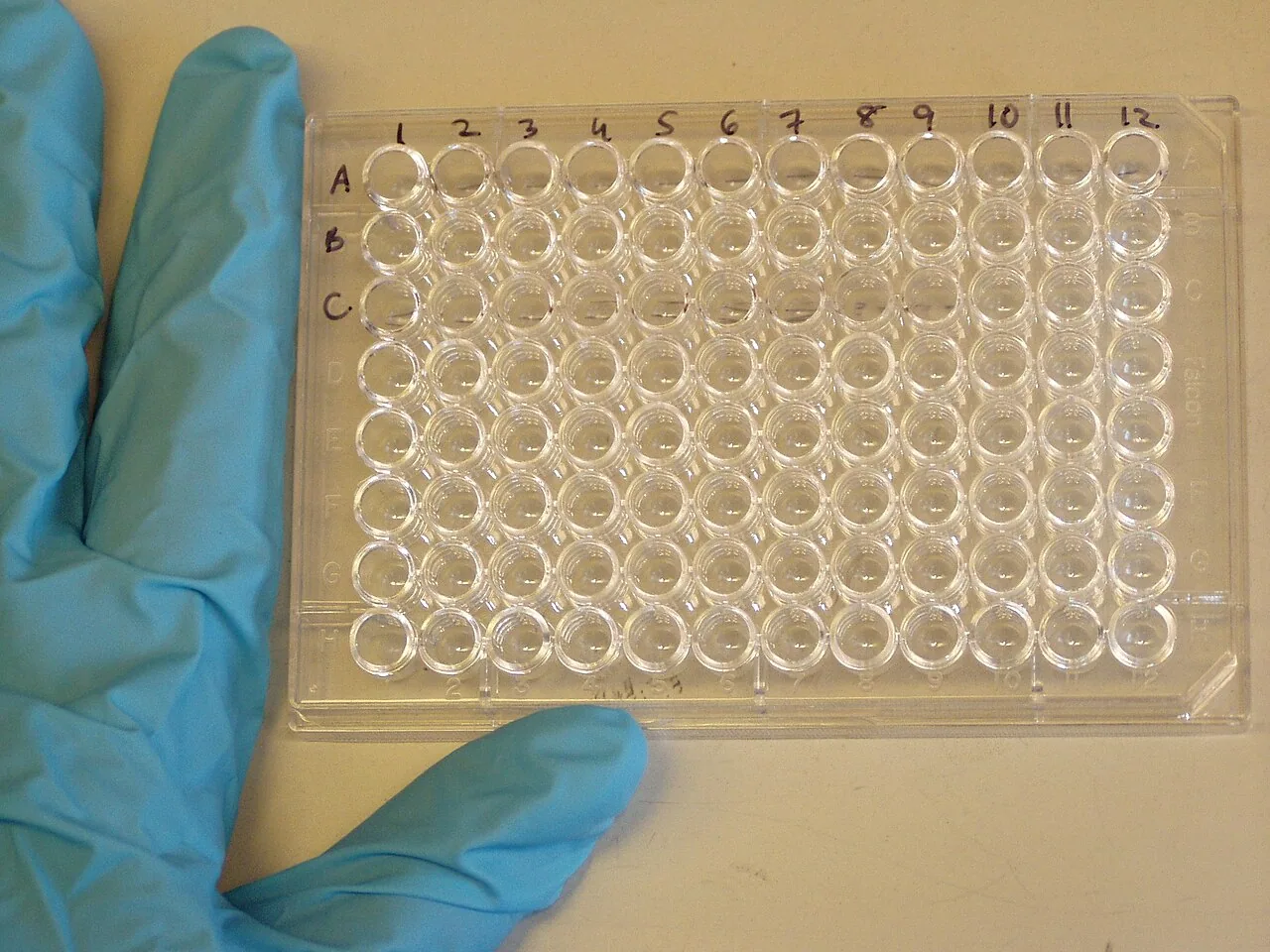

Review placement with the actual carrier
A plate may have a label on its long side while a rack exposes only the short side when stored. Request a view of the proposed label in its normal receiving orientation and a representative scan. Include the label dimensions and any characters that are difficult to distinguish in small print. Ask how the team can read the human-readable code if the barcode is damaged during receipt.
Check one label all the way through import
Use an invented reference such as PB-0007 on the mock label and packing file. Ask the receiver to read the label, import the supplied file into a test worksheet and compare the results character by character. If the system converts 0007 into 7, agree whether to preserve the full text identifier or use another convention before the order is packed. This simple administrative check can prevent multiple labels from being reprinted.
Worked example
A new scanner may recognise the printed barcode yet add a prefix before saving the result. Compare one returned value with the supplier’s packing list and the receiver’s expected format. Agree which system handles that prefix before the complete set of labels is printed.
Prepare your inquiry
Check the encoded value, printed text and imported value as one identity chain.