
Identify which part of the original order is repeated
A reorder might repeat a complete catalogue set, request selected buyer IDs from a custom order or replace a unit with a damaged label. Reference the original purchase order, supplier item number and map revision, then describe the reason for the request. JPT’s public catalogue illustrates why a family-level service name can cover several offerings. Include the accepted reference of the earlier delivery to disambiguate the request.
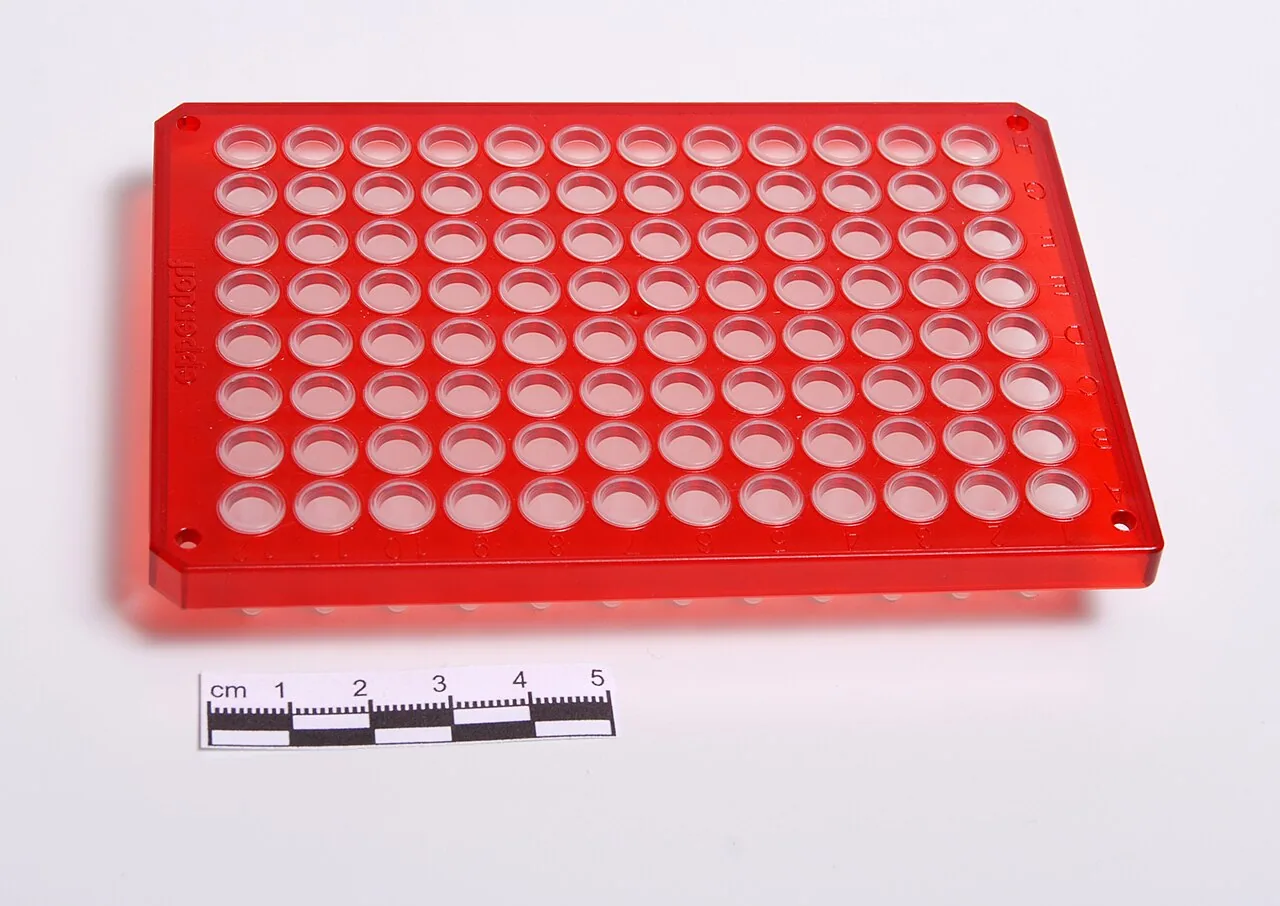

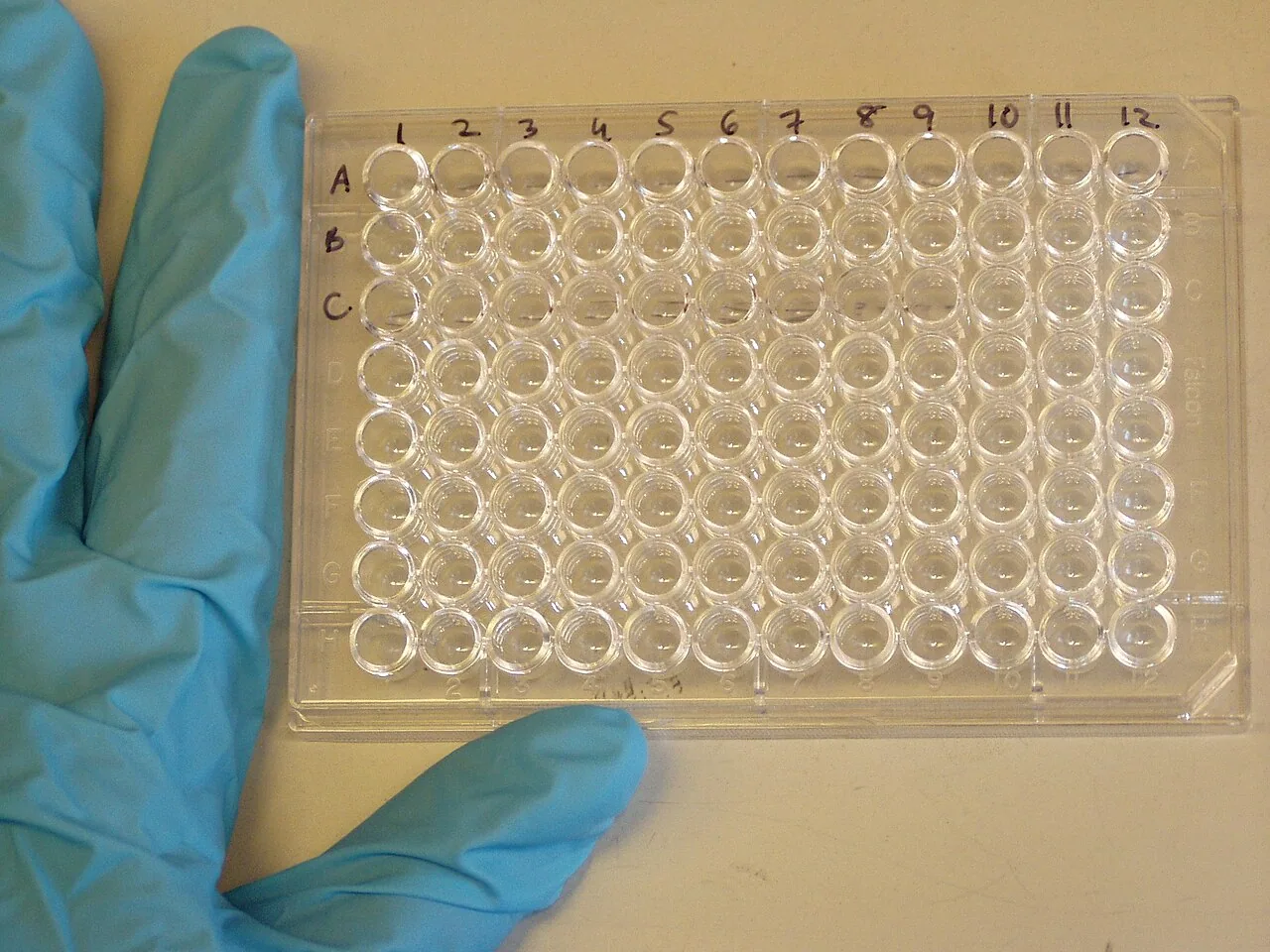

Keep a cross-reference for the new lot
A replacement may arrive with its own container reference, lot identifier and dispatch date. Ask for the relationship between the old and new identifiers in writing. Add that link to the order record and ask the supplier which documents belong to the replacement. Mark whether the original unit was set aside or retained for a specified reason. This leaves receiving and procurement working from the same history.
Show a reviewer the minimum traceable history
Imagine an original box carries the identifier BOX-17 and a replacement container arrives as R-04. A reviewer should be able to find the affected buyer ID, the original location, the replacement contact and the relevant document reference without searching through several email threads. Put those fields on one line in the project file and date the change. Retain both identifiers even if the buyer will use only the replacement in future.
Worked example
If one repeat order must follow a previous pack layout while another may use a current catalogue layout, put them on separate request lines. Refer to the earlier plate or packaging revision on the first line so the supplier can acknowledge the distinction explicitly.
Prepare your inquiry
Link each replacement to its predecessor while preserving the history of both deliveries.