
Identify the buying and receiving locations separately
A university’s purchasing office may issue one order while its departments receive separate packages. Record the bill-to entity, the physical delivery point and the responsible receiving contact for each destination. GS1 describes how a Global Location Number can identify a physical location. Use the customer’s own recognised location reference where appropriate, then cross-check it against the written address and any building or room information the courier needs.
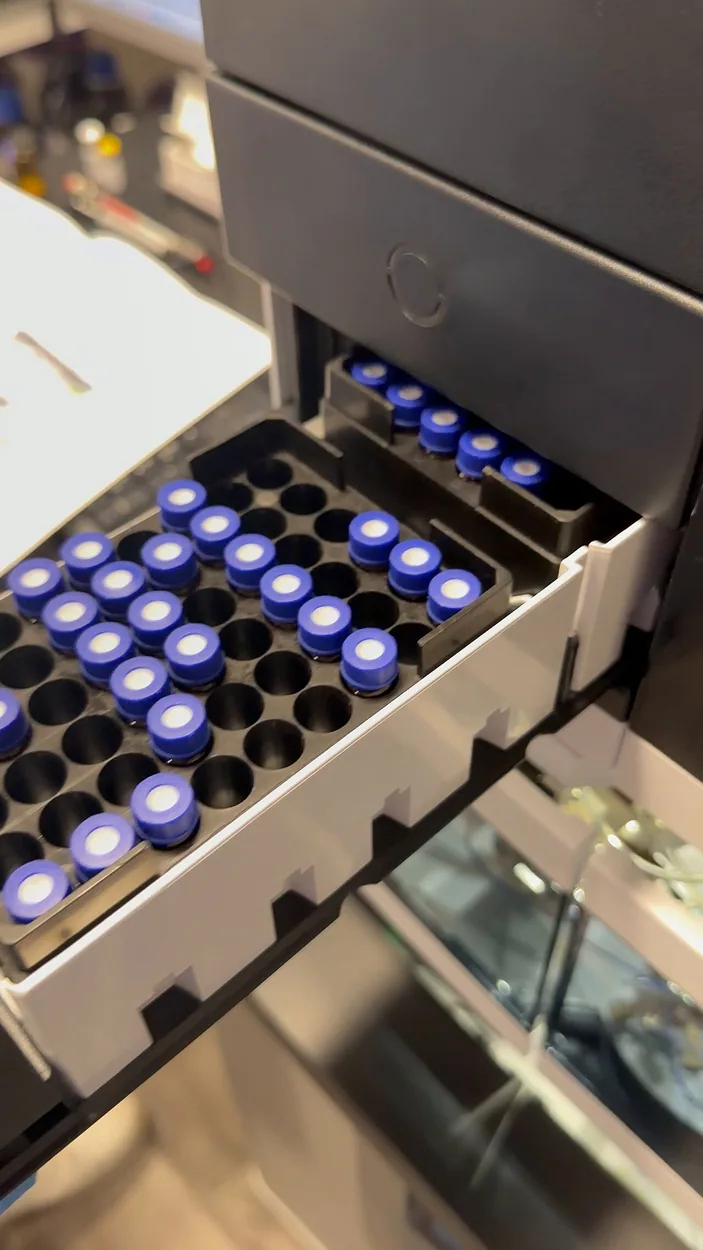

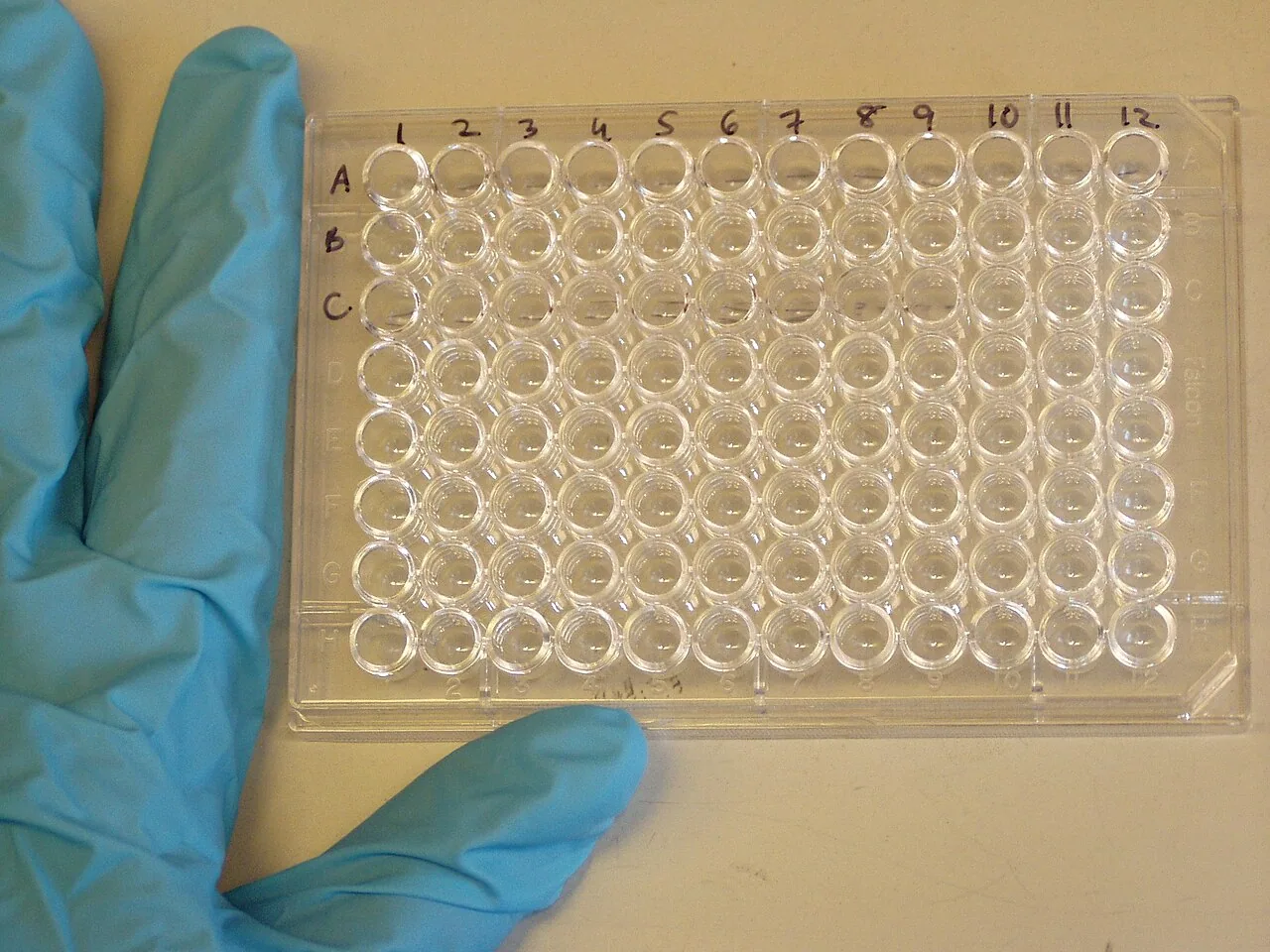

Allocate containers before printing the packing lists
Create a shipment table with the destination in the first column and the container identifier in the second. Add expected document references, the recipient allowed to sign and a contact for delivery exceptions. Compare the total allocated containers with the accepted purchase order. When teams use similar departmental names, have each named destination review its own extract rather than relying on procurement to infer where the samples belong.
Give each recipient only its own packing information
In an illustrative example, East Campus expects plates PL-01 and PL-02 while West Campus expects PL-03. Each receiver gets the list for that location and an explicit package count. Procurement retains the complete allocation. If PL-02 is rerouted while still in transit, record the change on the affected shipment and notify the two contacts. This prevents both campuses from recording a missing plate when the location, rather than the inventory total, changed. Give the courier the corresponding package reference for that rerouting request.
Prepare your inquiry
Match each expected container and document set to one named receiving location.